-
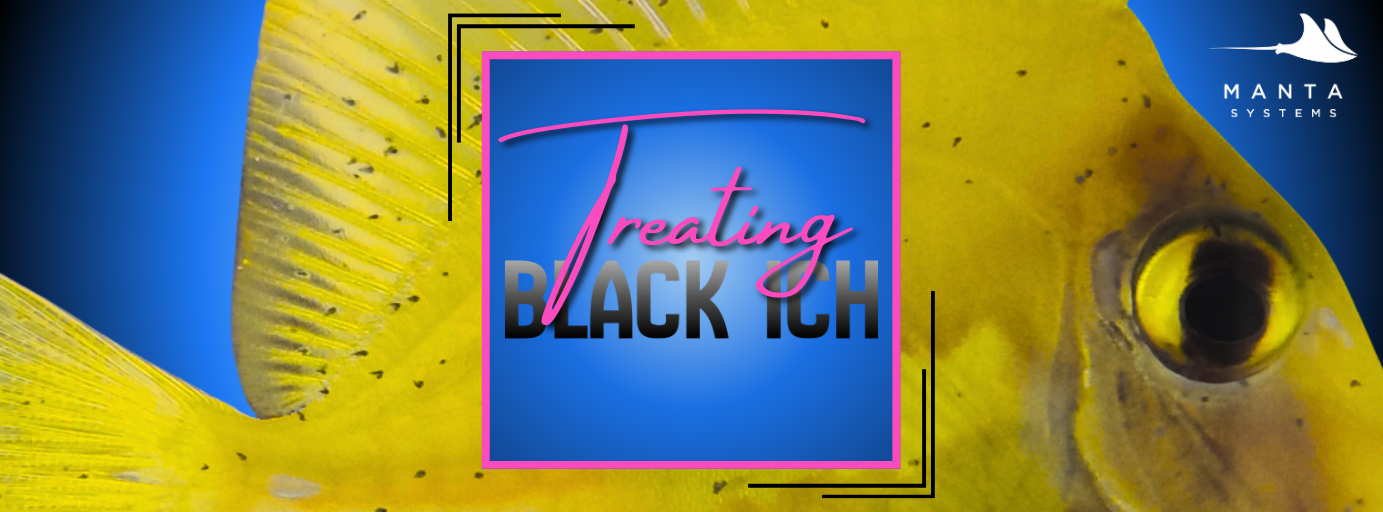
Small, pepper-like black or dark brown spots embedded on the body, fins, gills, and sometimes the eyes.
-
Appearance: The spots are tiny (like grains of sand or finely ground pepper), flat or slightly raised, and do not have a red or inflamed ring around them in the early stages.
-
Distribution: They are often unevenly scattered but can become densely packed, especially on the fins and body. They do not have the cottony or fluffy appearance of fungal infections.
Tamara's Pro Tips: Watch at feeding time. A fish with early-stage Black Ich might still eat but will often "spasm" or flash immediately after swallowing. It's like the internal effort of eating irritates all the embedded parasites at once.
Behavioral Symptoms (Often Appear Before or With Spots)
-
Flashing & Scrubbing: The fish will rub or "flash" against rocks, sand, or decorations in an attempt to dislodge the irritating parasites.
-
Clamped Fins: Fins are held close to the body rather than fanned out.
-
Increased Respiratory Rate: Rapid gill movement (heavy breathing), as the parasites can infest the gills, causing irritation and reduced oxygen exchange.
-
Lethargy & Hiding: The fish may become less active, spend more time hiding, or show reduced interest in food.
-
Jumpy or Skittish Behavior: Due to skin irritation.
Progression & Advanced Symptoms
-
Increased Spot Count: The number of spots can increase dramatically over days or weeks as the parasites mature and reproduce.
-
Localized Inflammation: In heavy infestations, the skin around dense clusters of spots may become red, inflamed, or even develop small sores as the parasites burrow and the fish's immune system reacts.
-
Secondary Infections: The damaged skin and mucus layer make the fish susceptible to bacterial infections (like fin rot or ulcers) or fungal infections.
-
Severe Respiratory Distress: If gill infestation is heavy, the fish may gasp at the surface or show signs of severe oxygen deprivation.
-
Weight Loss & Emaciation: Chronic stress and irritation lead to loss of appetite and energy.
How to Differentiate Black Ich from Other Common Conditions
Correctly identifying Black Ich is crucial because misdiagnosis and incorrect treatment can stress or even kill your fish. Here is a detailed breakdown of how to tell it apart from other similar-looking issues.
The Diagnostic Flowchart (Step-by-Step)
Step 1: Test Your Water IMMEDIATELY.
This is the most critical first step. Test for Ammonia, Nitrite, Nitrate, and pH. If Ammonia or Nitrite is above 0 ppm, the spots are almost certainly chemical burns, not parasitic Black Ich. Treat with large water changes and cycle stabilization. Stop here if water quality is poor.
Step 2: Observe the Spot Characteristics.
If water parameters are perfect (Ammonia=0, Nitrite=0), look closely at the spots with a magnifying glass if possible.
Condition Comparison Table
The "Rule-Out" Questions
Ask yourself these questions to narrow down the diagnosis:
-
Is the fish "flashing" or rubbing?
-
Yes → Points strongly to an external parasite (Black Ich, Crypt, Velvet).
-
No → More likely a burn, Lymphocystis, or false alarm.
-
Are multiple fish affected in the same way, all at once?
-
Yes → Highly indicative of a water quality issue (burns) or a highly contagious parasite like Velvet or Ich.
-
No (only one fish, or staggered onset) → More typical of Black Ich, which often stresses one fish first due to its lifecycle.
-
Can you see the spots on the clear, thin parts of the fins?
-
Yes, they are clearly visible on the tail fin membrane → Strong evidence for true Black Ich.
-
No, only on the body or thick fin rays → Less conclusive.
-
What happens in a freshwater dip? (A key diagnostic tool)
Performing a freshwater dip (matching temperature and pH) for 3-5 minutes is a highly effective diagnostic for true Black Ich.
-
Result: Dozens of tiny, black, sesame-seed-shaped flatworms fall off and settle at the bottom of the dip container? → Confirmed Black Ich.
-
Result: Nothing falls off, or only a few white specks (which may be sand) fall off? → It is not parasitic Black Ich. Reconsider other diagnoses.
Effective Treatment Strategies
Here’s where we move from theory to practice. I recommend having a dedicated Quarantine Tank (QT) ready—a simple 10-20 gallon tank with a heater, an air-driven sponge filter, and PVC pipes for hiding. No substrate.
Option 1: The Tank Transfer Method (TTM)
This is my gold standard. It uses the parasite's rigid life cycle against it.
The Setup: Two identical, bare-bottom QTs (Tank A and Tank B).
The Schedule:
-
Day 0: Fish go into Tank A.
-
Day 2 (48 hours): Gently move fish to Tank B. Completely break down, clean, and dry Tank A. The 48-hour transfer is shorter than the worm's maturation time, so no fertile adults are moved.
-
Day 4: Move fish back to the clean, dry Tank A. Break down and dry Tank B.
-
Repeat for a total of 4 transfers (8-10 days).
Why It Works Brilliantly: You physically separate the fish from any eggs before they can hatch. The drying kills any leftover stages. It’s medication-free and very effective.
Tamara's Pro Tips: Use a dedicated fish-transfer container (a clean specimen container works). Never net the fish and then put that net into the new tank. You could carry over eggs.
Option 2: Praziquantel Treatment
Praziquantel (PraziPro, etc.) is an antihelmintic that paralyzes flatworms. It's generally safe for fish but does not kill eggs.
In-Hospital Tank Protocol:
-
Dose per instructions (typically 1 tsp per 20 gallons).
-
Do a 25% water change and re-dose after 5-7 days. This second dose catches any new larvae that hatched from eggs after the first dose.
-
Treat for a full 14-21 days. Patience is key.
-
Use carbon filtration AFTER the full treatment to remove the medication.
The Freshwater + Praziquantel Dip (My Hybrid Approach):
For a fish covered in spots, I'll do this for rapid relief:
-
Prepare a 5-gallon bucket with fresh, temperature/pH-matched RO water.
-
Add a triple dose of PraziPro to the freshwater. The freshwater osmotic shock plus the high concentration of praziquantel causes near-total worm detachment within 5-10 minutes.
-
Observe the bucket with a flashlight—you'll often see the tiny black worms at the bottom. After the dip, the fish goes into a prazi-dosed QT for the full course.
Option 3: Formalin Bath
Use this for severe, stubborn cases. Warning: Formalin binds oxygen and is highly toxic. Use in a well-ventilated area, wear gloves, and aerate violently.
-
Dosage: 1 ml of 37% formalin per 10 gallons of water.
-
Bath Duration: 45-60 minutes, with the fish under constant observation.
-
Have a separate container of clean tank water ready for an emergency transfer if the fish shows extreme stress (listing, gasping at surface).
What Doesn't Work Well
-
Copper treatments: Minimal effect on these flatworms
-
Temperature changes: Raising temperature may accelerate the life cycle but increases fish stress
-
Salt concentration changes: These are marine parasites adapted to varying salinities
-
"Just wait it out" approach: The infection typically worsens without intervention
The Quarantine Imperative: Your Force Field
Your display tank is a castle. Quarantine is the moat. A proper 4-6 week observation period in a bare QT tank for all new fish is non-negotiable. It's not just about treating visible illness; it's about observing and ensuring the fish is eating, behaving normally, and stress-free before it enters your prized ecosystem.
Tamara's Pro Tip: Every new fish gets a preventive 14-day prazi treatment in QT, regardless of visible symptoms. It's cheap insurance against flatworms and internal parasites.
The Display Tank Fallow Period: Starving Them Out
If Black Ich got into your display, treating the fish alone isn't enough. You must break the cycle in the tank.
-
Remove all fish to a Quarantine Tank for treatment.
-
Leave the display tank completely fish-less (fallow) for 8 weeks. Yes, eight. While the parasite cycle is 2-3 weeks, eggs can be dormant. Eight weeks ensures everything starves.
-
Keep your cleanup crew and corals (if it's a reef tank) in the display. They are not hosts.
Long-Term Success
Successful Black Ich management comes down to:
-
Accurate identification (don't confuse with other conditions)
-
Complete treatment (address all life cycle stages)
-
Proper quarantine (prevent reintroduction)
-
Stress reduction (healthy fish resist infections better)
The most common treatment failure comes from stopping too early. These parasites are persistent—your treatment should be too.
Tamara's Pro Tips: Every fish and every system is different. What works perfectly for one aquarist might need adjustment for another. Observe your fish closely, be patient with the process, and don't hesitate to adjust your approach if something isn't working.

.png)


