

Understanding Pom Pom Crabs: From Anemone Symbiosis to Aquarium Care
Published September 12, 2025 • 8 min read
Understanding Pom Pom Crabs:
From Anemone Symbiosis to Aquarium Care
Introduction
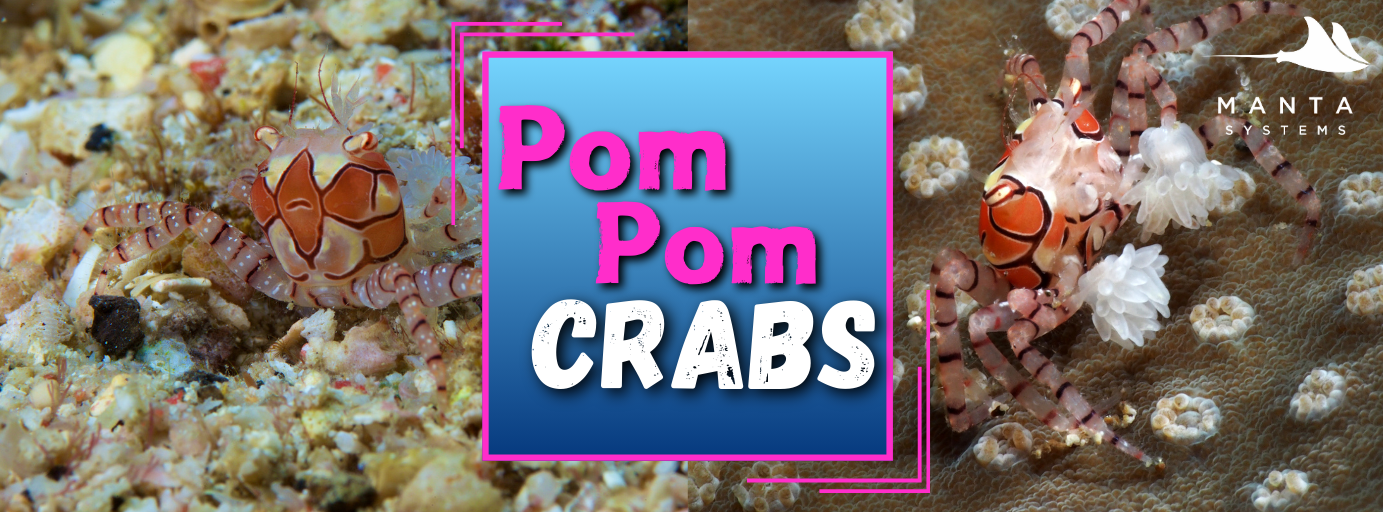
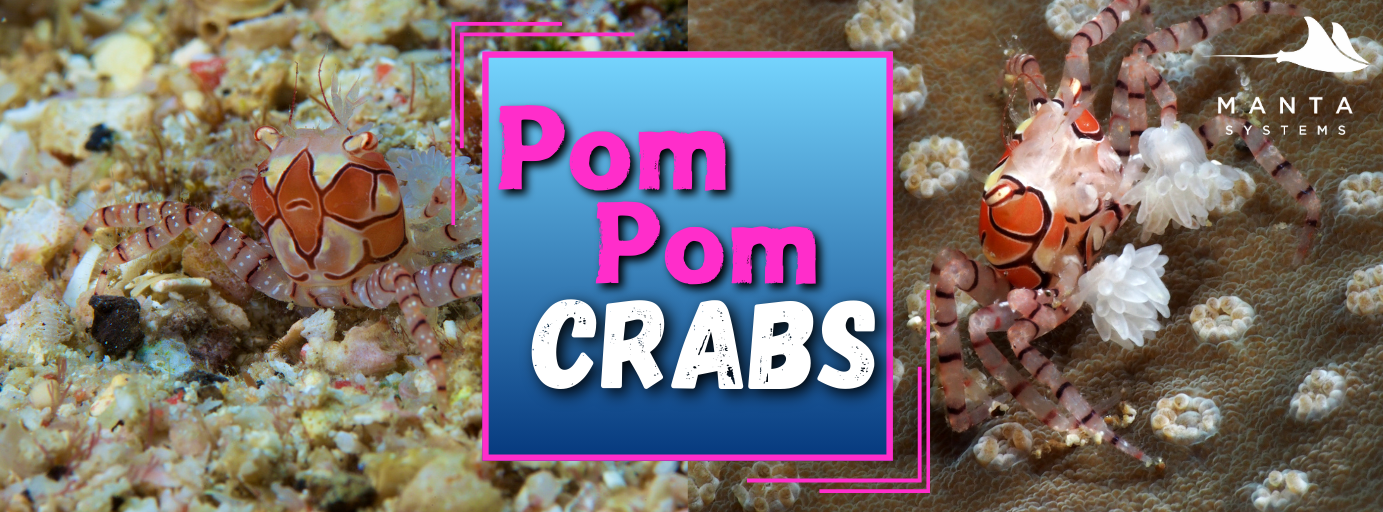
In the dim blue light of a twilight reef tank, one of the hobby's most captivating behaviors unfolds: a tiny crab emerges from the rocks, waving its fuzzy, living pom-poms like a miniature cheerleader. This isn't just for show; it's a serious survival strategy. Pom pom crabs are fascinating creatures whose care hinges on understanding this unique symbiosis. This guide will walk you through everything from setting up the ideal habitat to handling the common crisis of a dropped anemone, all while ensuring your display tank doesn't become a pest-anemone factory.
Meet the Pom Pom Crab
The first step to good care is proper identification. Pom pom crabs, most often the species Lybia tessellata, are small, nocturnal invertebrates with a mosaic-patterned, flat carapace designed for slipping into tight crevices.
-
Scientific Name: Primarily Lybia tessellata
-
Adult Size: Carapace width 0.5–1.0 in (12–25 mm)
-
Behavior: Nocturnal; shy by day, active at dusk and night
-
Lifespan: 1.5–3 years with stable care
-
Reef Safe: Yes, but may steal food from corals during broadcast feedings.
Their most distinctive feature—and the source of their name—are the two oversized claws that expertly grip small sea anemones. In the wild, they inhabit the rubble zones and reef flats of the Indo-Pacific, where a complex relationship ensures the survival of both crab and anemone.
A Partnership Forged in the Current
The bond between the crab and its anemones is the heart of its existence. This isn't just decoration; it's a masterclass in mutualism.
-
What the Crab Gets: The anemones are multifunctional tools. They provide a potent defensive threat to predators, and their sticky tentacles are highly effective at capturing microscopic food particles from the water column.
-
What the Anemone Gets: In return, the anemone gets a mobile platform. It’s guaranteed access to food-rich currents, protection from being buried or eaten, and a unique method of reproduction through cloning.
Crafting the Perfect Pom Pom Habitat
These crabs thrive in a thoughtfully designed environment that mimics their natural rocky rubble zones. The goal is security and access to food.
A tank as small as 10 gallons can work for a single crab, but a 20-gallon or larger system with more hiding spots is ideal for stability and if you want to keep a pair. The aquascape is critical. You must provide a labyrinth of dense micro-caves, overhangs, and crevices—aim for at least one tight hide per crab plus extras to reduce territorial disputes.
-
Ideal Water Parameters:
-
Temperature: 76–78 °F (24–26 °C)
-
Salinity: 1.025–1.026 specific gravity
-
pH: 8.1–8.4
-
Alkalinity: 8-10 dKH
-
Nitrate: 2-15 ppm
-
Phosphate: 0.02-0.08 ppm
-
Flow should be moderate and broad, designed to create gentle "food lanes" that sweep past the crab's perch. Avoid direct, needle-like jets that can knock them over. Lighting should be standard for your corals; the crabs themselves have no special lighting needs as they are primarily nocturnal.
The Art of the Micro-Feeding
Feeding a pom pom crab is less about a single large meal and more about replicating the constant grazing opportunities they’d find on the reef.
Their natural diet consists of suspended microcrustaceans (like copepods), micro-detritus, and whatever their anemones snag from the passing current. In captivity, they do best with a varied diet offered frequently.
-
Excellent Foods: Live phytoplankton, live copepods, rotifers, rehydrated powdered coral foods, and very finely minced mysis or brine shrimp.
-
Strategy: Broadcast a small "micro-pulse" of food into the water column two to four times per day, ensuring at least one feeding occurs at dusk or after lights out. This delivery method allows the crab to use its anemones to catch food naturally.
Living in Community
Pom pom crabs are peaceful by nature, but their small size makes them vulnerable. Choosing their tankmates carefully is essential for their confidence and longevity.
Excellent neighbors include other peaceful, small inhabitants like gobies, dartfish, chromis, clownfish, and peaceful blennies. They generally ignore other clean-up crew members like small hermits and snails.
Use extreme caution with hawkfish, larger wrasses, dottybacks, and even hungry peppermint shrimp, which may harass a crab, especially after it has molted and is soft-shelled. If you notice your crab constantly backpedaling with its poms raised in a defensive posture, it's a clear sign something is stressing it out.
The Crisis: When a Crab Loses a Pom
It’s a common and stressful event for an owner: you look in the tank and see your crab waving one pom-pom, or even none at all. Before you panic, understand the crab’ natural priorities.
Its first instinct is to split the remaining anemone through a careful tug-of-war, creating a clone for its empty claw. If that’s not possible, it may try to borrow tissue from another crab or even substitute another sticky cnidarian it finds on live rock. Some will even bluff, performing the waving motion with an empty claw.
Your action plan should be calm and methodical:
-
First, assess the environment. Is a powerhead blasting it? Is a fish harassing it? Fix husbandry issues before anything else.
-
Boost its confidence and nutrition. Ensure it has a secure hide and is receiving multiple micro-feedings daily.
There are a few possible ways you can help:
Finding a store-bought "replacement pom" is often not a possibility. Instead, hobbyists use these practical methods to help a crab re-arm, prioritizing the long-term health of the display tank above all else.
1. The "Store Sourced Donor" Method (The Smart LFS Approach)
Leverage your local fish store as a resource without ever moving your crab.
-
How it works: If your LFS has pom pom crabs, their tank likely has the tiny anemones on its rocks. Ask if you can purchase a small piece of rubble from that specific tank that has a few anemones on it.
-
The Critical Step: Quarantine. This new rock must be placed in a separate quarantine tank for several weeks to observe for pests. This is non-negotiable.
-
Execution: After quarantine, place the "donor rock" near your crab's hideout. Your crab will find it and harvest an anemone on its own terms.
-
Why it works: It provides a biologically correct anemone source while putting you in full control of biosecurity.
2. The "Tankmate" Method (Let Nature Work)
If you have a healthy, established tank, you might already have what the crab needs.
-
How it works: Do nothing. A resourceful crab will often scavenge its own replacement, seeking out tiny, hidden anemones or hydroids that hitchhiked in on your live rock.
-
Why it works: This leverages the crab's natural instinct and avoids any risk from you adding something new. It requires patience.
3. The "Community Share" Method (Proceed with Extreme Caution)
This advanced strategy involves introducing a second pom pom crab.
-
How it works: The theory is that in a large enough tank, a crab may acquire a clone from another crab's "spares."
-
The Reality: This is not a quick fix and comes with high risk. Crabs can be territorial.
-
Critical Requirements: Your tank must be 20+ gallons with ample hides. The new crab must be quarantined. Be prepared to rehome one if they fight.
4. The "Benign Neglect" Method (Often Underrated)
Sometimes, the best action is inaction.
-
How it works: Focus entirely on the crab's care. Ensure it has a secure hide, excellent water quality, and is being target-fed a rich, micro-particle diet multiple times a day.
-
Why it works: This addresses the root cause—crab stress—rather than the symptom. A well-fed, confident crab is far more likely to successfully split its remaining anemone.
Conclusion: A Rewarding Challenge
Keeping pom pom crabs successfully is a deeply rewarding experience that elevates your skills as an aquarist. It pushes you to think about flow, micro-feeding, and tankmate dynamics on a finer scale. By providing a secure, well-fed environment and resisting the urge to take shortcuts when a pom is lost, you’ll be treated to the incredible sight of this tiny cheerleader waving its living pom-poms, a true testament to a thriving ecosystem.
Happy Reefing!


