

Stop guessing which phytoplankton to buy. This practical guide cuts through the hype, showing you how to match strains like Isochrysis and Tetraselmis to your tank's specific needs—whether you're feeding clams, breeding pods, or building your food web. Learn the foolproof "sniff test" and make informed
Advanced Blog Category
This is where seasoned reef enthusiasts and experienced aquarists can dive deeper into the complexities of saltwater aquarium keeping. This section is dedicated to providing in-depth articles, advanced techniques, and expert insights to help you elevate your marine tank to new heights. Whether you're mastering intricate water chemistry, optimizing lighting for coral growth, or exploring advanced breeding techniques, our comprehensive guides and detailed posts are designed to enhance your knowledge and skills. Join our community of advanced hobbyists and take your reef-keeping expertise to the next level!

Learn how to dose phytoplankton for reef tanks correctly. This guide provides a step-by-step framework, dosing calculator (mL/gallon), strain selection (Nano, Iso, Tet), and troubleshooting to boost copepods, feed clams, and stabilize nutrients without causing algae blooms.
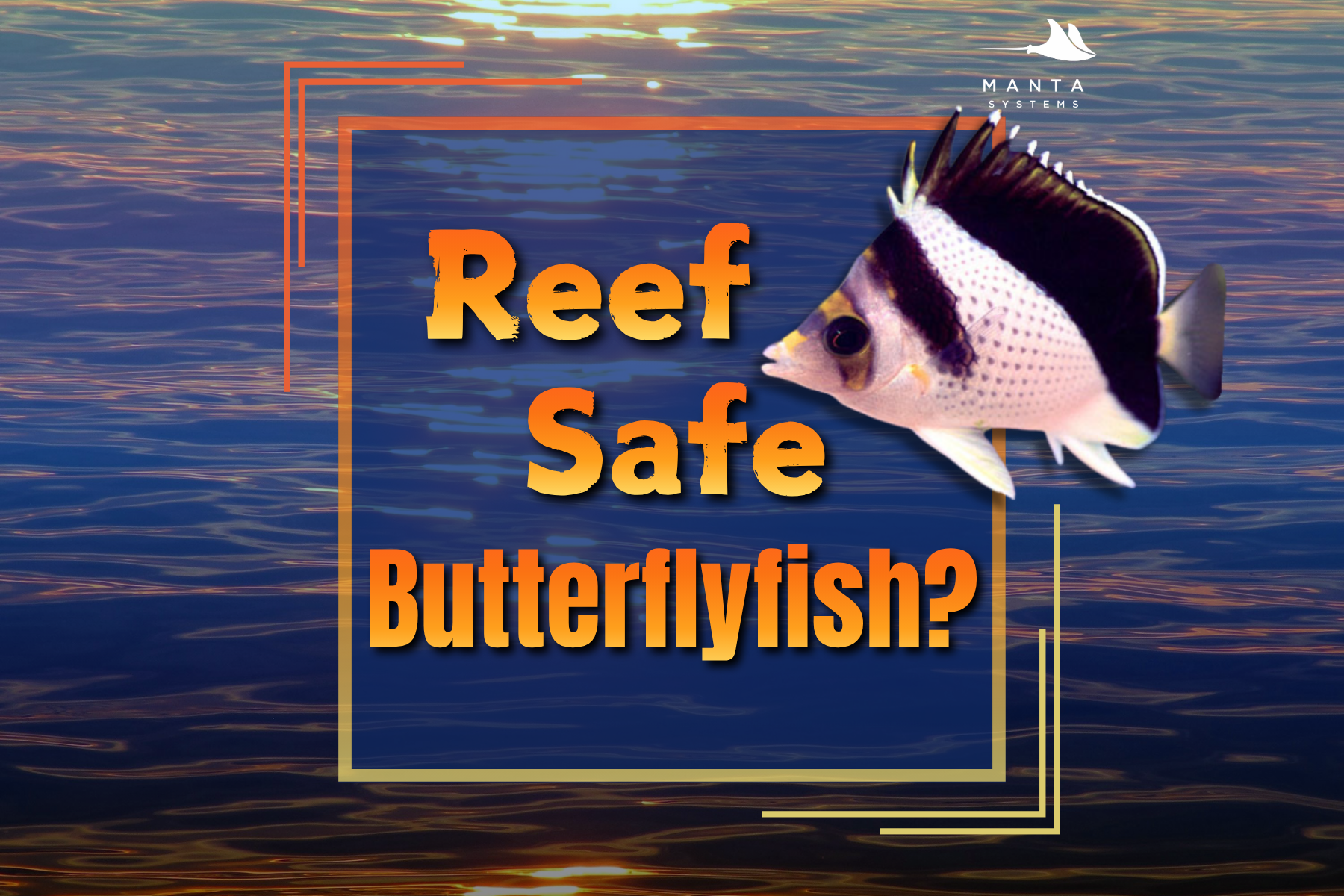
Dream of adding a butterflyfish to your reef tank? Discover which species like the Copperband and Pyramid are truly reef-safe and which will devour your corals. Our expert guide covers feeding, acclimation, and how to avoid disaster.
Discover the ultimate guide to using formalin in marine aquariums, covering everything from its application for treating diseases like Brooklynella and Marine Ich to best practices, alternative treatments, and long-term care. Learn how to safely and effectively use formalin to keep your saltwater fish
Unlock the secrets of your reef tank with ICP-OES testing. Our guide explains how this advanced water analysis works, when you need it, and how to interpret results like a pro. Perfect for saltwater hobbyists solving coral mysteries.

Beyond the Number: A Practical Guide to Understanding and Using ORP in Your Reef Aquarium
05 Sep, 2025
Unlock the meaning of your ORP meter. This practical guide moves beyond the number to teach you how to interpret trends, ensure probe accuracy, and implement ozone safely for a healthier reef tank.

Learn what affects coral coloration in reef tanks—from lighting and water stability to nutrients. Keep your corals bright, vibrant, and thriving long-term.

Explore the benefits of ozone in saltwater aquariums, from water clarity and pathogen control to improved water quality. Learn how to safely use ozone, essential equipment, and expert tips.

Amino Acid, Carbohydrate, and Vitamin Dosing in Reef Tanks: Understanding Their Roles and Benefits
21 Feb, 2025
Discover the benefits of amino acid, carbohydrate, and vitamin dosing in reef tanks. Learn how these supplements enhance coral growth, coloration, and tissue repair while preventing common pitfalls like bacterial blooms. Explore tank-specific dosing strategies for SPS, LPS, and mixed reef systems.

The Ultimate Guide to Keeping Saltwater Clams
07 Feb, 2025
In this article we cover popular clam species, their specific care requirements, and expert tips to successfully integrate these captivating animals into your reef tank. Whether you're an intermediate or advanced hobbyist, discover if you're ready to add the beauty and benefits of clams to your marine

Explore the intricate world of SPS corals with our ultimate guide, covering popular species like Acropora, Montipora, and more. Learn about their care, lighting, water flow, and feeding needs to keep your reef tank thriving.

Sulfur Reactors: Advanced Nitrate Management
23 Dec, 2024
Explore the ultimate guide to sulfur reactors in saltwater aquariums. Learn how they work, their benefits, common myths, maintenance tips, and how to decide if a sulfur reactor is right for your tank. Perfect for reducing nitrates in reef and fish-only systems!

Anthias are stunning but demanding reef fish — they require frequent feeding, specific tank conditions, and careful species selection. This guide covers everything you need to keep them thriving long-term.